Mens Suit Alterations Near Me — What to Expect
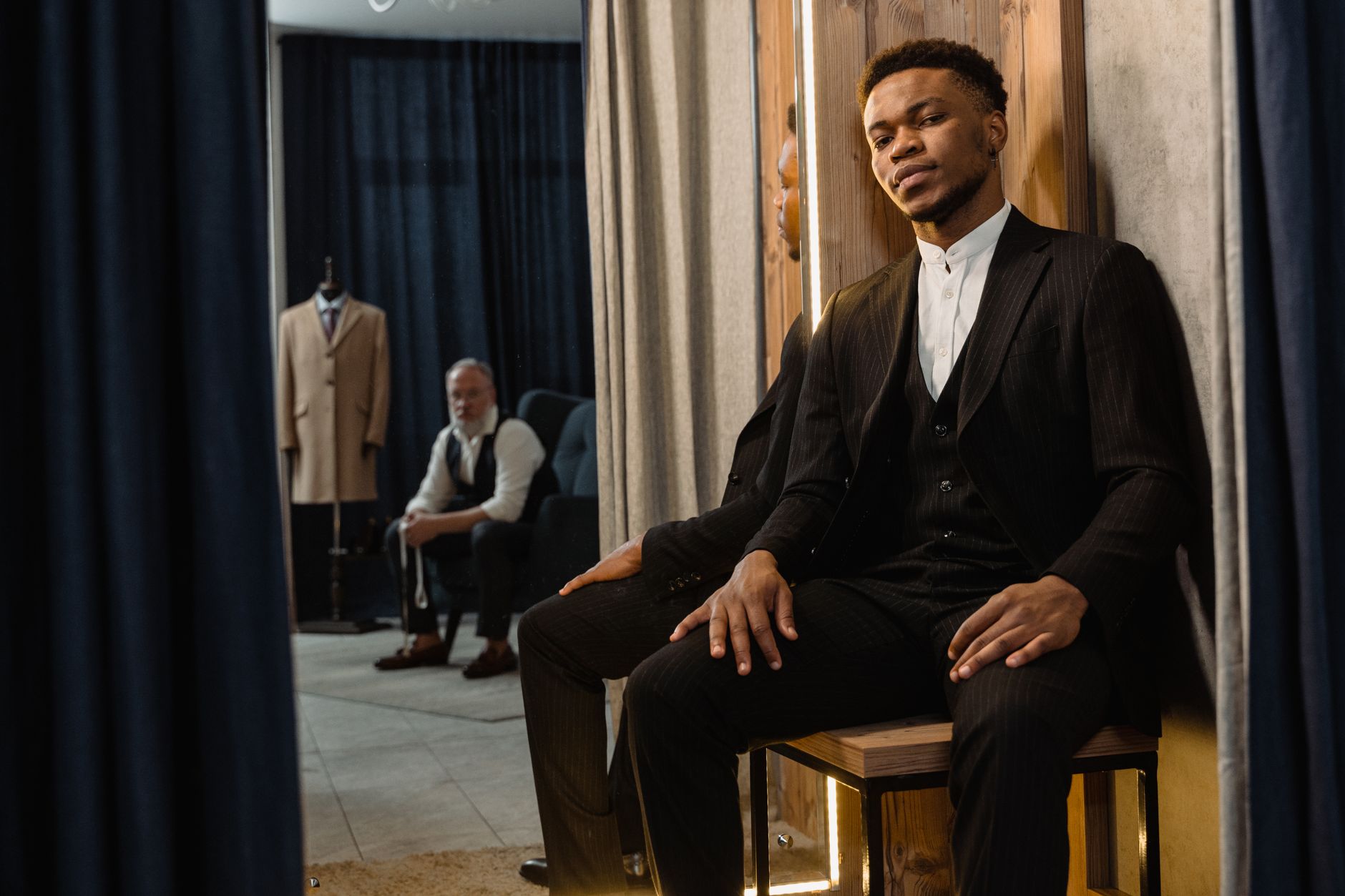
When you search for men's suit alterations near you, expect a 30–45 minute fitting where a tailor takes 10–15 measurements and marks adjustments with chalk. Common fixes include sleeve shortening ($20–$40), waist adjustments ($15–$30), and side tapering ($30–$60). Simple alterations take 3–5 days; complex reshaping takes up to 3 weeks. Always get a written quote before leaving. There's a lot more to know before you book your first appointment.
The Hot Stuff
- Off-the-rack suits rarely fit perfectly, making alterations essential for proper sleeve length, waist suppression, and trouser fit.
- Basic alterations typically cost $50–$150, with individual adjustments ranging from $15 to $75 per change.
- Simple alterations take 3–5 days, while complex full-jacket reshaping can require up to 3 weeks.
- Choose a specialist tailor over a dry cleaner for complex adjustments; prioritize professionals with strong local reviews.
- At your first fitting, expect 10–15 measurements taken and confirm costs, pickup dates, and try-on policies before leaving.
Why Off-the-Rack Suits Almost Always Need Alterations
Off-the-rack suits are cut to fit a standardized body, not yours. Manufacturers use a single set of measurements to produce thousands of units, so the fit importance gets lost in mass production. Most men find that at least two to three areas need adjustment after purchase.
Off the rack quality isn't the issue most of the time. The construction can be solid, the fabric decent, and the stitching tight. The problem is proportions. Your shoulders, chest, waist, and inseam won't match a size 40R exactly, even if that's your tag size.
You're not alone in this. Most men need sleeve shortening, waist suppression, or trouser hemming. These are standard fixes. Expect to spend $50 to $150 on basic alterations at a reputable tailor. Budget that cost into your suit purchase from the start, and you'll avoid a common, costly mistake.
The Most Common Men's Suit Alterations Explained
When tailoring a suit to fit your body, three alterations come up more than almost any other: sleeve length, trouser waist and seat adjustments, and taking in the sides of the jacket. Sleeve length is typically shortened or lengthened by up to 1.5 inches at the cuff, and a tailor can complete this in under an hour for around $20–$40. Trouser waist and seat changes usually cost $15–$30 and fix the most visible fit problems below the jacket, while taking in the sides of a jacket for $30–$60 slims the silhouette and eliminates the boxy look that off-the-rack cuts often leave you with.
Jacket Sleeve Length Adjustments
Jacket sleeve alterations are one of the most requested fixes in menswear, and for good reason — most off-the-rack suits are cut with sleeves that run too long for the average man. You want about a half-inch of shirt cuff showing below the jacket sleeve. Most tailors can shorten sleeves by up to 1.5 inches without disrupting the seam structure. If your jacket has working buttonholes, expect to pay $40–$80 more, since those require precise sleeve tapering techniques to preserve. Lengthening sleeves is possible only if enough fabric exists in the seam allowance, typically half an inch or less. You can also request adjusting cuff styles during this process. Ask your tailor upfront about buttonhole type before committing to a price.
Trouser Waist And Seat
Trouser alterations at the waist and seat are among the most practical fixes you'll make to a suit, since the fit in these two areas affects how the entire lower half hangs. A tailor can take in or let out the waist up to 1–2 inches in either direction, depending on the existing seam allowance. Seat adjustments follow a similar range, typically 1 inch in or out. Poor trouser fit at the seat shows up as pulling, bunching, or excess fabric behind the thighs. Your tailor will assess both areas together, since changing one often affects the other. Most waist and seat alterations take 3–5 days and cost between $20–$50, making them some of the most accessible improvements you can get done.
Taking In The Sides
While trouser work focuses on the lower half, taking in the sides of a jacket is one of the most common and impactful alterations you can make. A skilled tailor pulls excess fabric from the side seams, creating a cleaner silhouette through the torso. Most tailors remove between half an inch and two inches per side. Beyond that range, fabric considerations become critical, since moving seams too far can distort pockets, vents, and sleeve adjustments already built into the jacket. You'll want to confirm your tailor checks the lining, buttons, and seam allowance before cutting. Most reputable shops complete this alteration within three to five business days. Getting this right means you'll look like the jacket was made for you.
Do You Need One Alteration or a Full Package?
When you take a suit to a tailor, you'll need to decide whether you want a single fix or a full set of alterations. A fit assessment helps you figure out exactly what needs work. Ask the tailor to check every part of the suit, not just the obvious spots. Alteration types vary widely, so knowing your options helps you belong to the group of men who actually dress well.
Here are 4 common alteration packages to evaluate:
- Single fix – one targeted change, like taking in the waist
- Top half package – jacket sleeves, shoulders, and chest adjusted together
- Bottom half package – trouser hem, seat, and thigh corrected as a set
- Full suit package – every area addressed in one appointment
A full package costs more upfront but saves you extra trips and keeps the suit's proportions balanced.
How Much Do Men's Suit Alterations Cost?
Men's suit alterations typically range from $15 to $75 per individual adjustment, with a full package of alterations running anywhere from $100 to $350 depending on the tailor's location and experience. You'll pay more in major cities like New York or Los Angeles, where skilled tailors charge premium rates, and less in smaller towns where overhead costs are lower. The complexity of the work, the suit's fabric, and the number of adjustments needed all push the final price up or down, so get an itemized quote before committing to any alterations.
Typical Alteration Price Ranges
Suit alterations vary widely in cost, with most simple fixes running $15–$50 and more involved work landing between $50–$200 or higher. Knowing typical price ranges helps you budget before you walk in.
- Hemming trousers — $15–$30, depending on fabric types like wool or linen
- Taking in the waist or seat — $30–$60, using standard alteration techniques
- Jacket sleeve shortening — $40–$80, with buttons adding $15–$20 more
- Full jacket restructuring — $100–$200+, covering shoulders, chest, and sides
You'll find pricing varies by city, tailor experience, and turnaround time. Ask for an itemized quote upfront. Most tailors provide one free of charge. Getting this detail in writing protects you from surprise costs later.
Factors Affecting Alteration Costs
Several factors drive how much you'll pay for suit alterations, and knowing them helps you avoid overpaying. Fabric type matters greatly — wool, linen, and silk cost more to alter than polyester blends because they require careful handling and pressing. Brand reputation plays a role too; altering a Brioni or Tom Ford suit often commands a premium because tailors charge more for high-stakes work. Location factors shift prices notably, with urban tailors in New York or Los Angeles charging 30–50% more than suburban shops. Tailor experience also affects your final bill — a master tailor with 20+ years commands higher rates than a general alterations shop. Understanding these variables lets you budget accurately and choose the right professional for your specific suit.
How Long Do Men's Suit Alterations Take?
How long alterations take depends on the complexity of the work, the tailor's workload, and whether you're dealing with a local shop or a large retailer. Fitting duration varies, but most alteration methods follow a predictable timeline you can plan around.
- Simple alterations like hemming pants or taking in a waist take 3–5 days at most local tailors.
- Moderate alterations like adjusting jacket sleeves or tapering a jacket take 5–7 days.
- Complex alterations involving shoulder restructuring or full jacket reshaping can take 2–3 weeks.
- Rush services are available at many shops for an extra fee, sometimes cutting turnaround to 24–48 hours.
Always ask your tailor for a firm completion date upfront. If you've got an event within a week, mention it immediately. Most tailors appreciate the heads-up and will work with your schedule when possible.
Should You Use a Tailor or a Dry Cleaner?
When it comes to suit alterations, you've got two main options: a tailor or a dry cleaner. A tailor is almost always the better choice, since they specialize in fitting and construction, can handle complex adjustments like reseating a jacket or tapering trousers, and typically work with higher-quality thread and techniques. Dry cleaners may offer basic hemming or simple repairs, but they often outsource the work to a third party, which can add time and reduce your control over the final result.
Tailor Vs. Dry Cleaner
If you need suit alterations done right, you'll want a tailor, not a dry cleaner. Tailor expertise covers precise fitting, fabric handling, and structural changes. Dry cleaner limitations mean most only handle basic hemming, if that.
Here's why choosing the right professional matters:
- Fit accuracy — Tailors take 4–6 measurements per alteration; dry cleaners rarely measure at all.
- Fabric knowledge — Tailors work with wool, linen, and silk daily; dry cleaners primarily clean, not construct.
- Structural work — Tailors adjust shoulders, waist suppression, and chest panels; dry cleaners can't.
- Lasting results — A proper tailor's work holds through years of wear.
You deserve alterations that make you feel like you belong in the room. Choose accordingly.
Best Choice For Alterations
Knowing the difference between a tailor and a dry cleaner is only half the equation — you also need to know when to use each one. If fit importance is your priority, go to a tailor every time. Tailors understand fabric considerations, body proportions, and construction in ways dry cleaners don't. For simple repairs like a missing button or a torn lining, a dry cleaner's seamstress can handle it. But if you're adjusting a jacket's shoulders, taking in a waist, or tapering trousers, a tailor is your only real option. Most suit communities agree — cutting corners here costs you later. Choose the right professional for the right job, and your suit will look like it was made specifically for you.
How to Find a Men's Suit Alteration Specialist Near You
Finding a men's suit alteration specialist doesn't have to be complicated, but you'll want to be deliberate about where you look. Start with these four steps:
Finding the right men's suit alteration specialist takes intention — but with the right steps, it doesn't have to be hard.
- Search local reviews on Google or Yelp, filtering for tailors with at least 4.2 stars and 20+ client testimonials mentioning suit fitting accuracy.
- Verify tailor experience by asking directly how many years they've worked with men's formalwear and whether they handle fabric considerations like wool, linen, or tweed.
- Confirm customization options upfront, including sleeve tapering, trouser breaks, and waist suppression, so you know exactly what's available before committing.
- Check appointment scheduling and service guarantees — a reliable tailor offers clear turnaround timelines, typically 5–10 business days, and stands behind their work with documented policies.
You deserve a tailor who treats your suit like it matters, because within your community, how you present yourself genuinely does.
What Happens at Your First Suit Fitting
When you walk into your first suit fitting, you'll spend roughly 30 to 45 minutes with the tailor going through a structured process. They'll start by taking 10 to 15 measurements, including your chest, waist, hips, shoulders, and inseam. You'll stand straight, wear dress shoes, and avoid slouching, since posture directly affects how measurements translate to the final fit.
Your fitting expectations should include honest conversation. Tell the tailor how you plan to wear the suit, whether for weddings, work, or formal events. That context shapes every adjustment they recommend.
Common concerns like shoulder fit, jacket length, and trouser break get addressed during this session. The tailor marks adjustments with chalk, pins fabric, and notes every change on a ticket. Most alterations take 3 to 7 business days. You'll belong to a clear process here, one where every detail moves toward a suit that fits you specifically.
What to Confirm With Your Tailor Before You Walk Out
Before you leave the tailor's shop, there are several things you'll want to confirm to avoid surprises later. Good tailor communication now prevents frustration at pickup.
Confirm these four things before walking out:
Before leaving the tailor's shop, confirm these four key details to ensure a smooth, surprise-free experience.
- Pickup date and time — Get an exact date, not a rough estimate. Most alterations take 5 to 14 days depending on complexity.
- Total cost in writing — Ask for a written quote. Verbal agreements get forgotten, and pricing should match what you discussed.
- Fit confirmation details — Describe exactly what you want fixed. Repeat it back to the tailor so you're both aligned.
- Try-on policy at pickup — Ask whether you can try the suit on before paying. Most reputable shops allow this.
You're part of a community that values looking right. A quick five-minute confirmation keeps your experience smooth and your suit fitting exactly as intended.
How to Prep Your Suit Before the Tailor Sees It
Prepping your suit before your tailor appointment takes less than 15 minutes, but it makes a real difference in how smoothly the fitting goes. Empty every pocket, remove any pins, and shake out the jacket and trousers. Wear the dress shirt, shoes, and belt you'll actually pair with the suit. This helps your tailor assess fit accurately and honor your personal style preferences.
| Prep Task | Why It Matters | Time Required |
|---|---|---|
| Empty all pockets | Avoids false bulk readings | 2 minutes |
| Wear full outfit | Reflects real-world fit | 5 minutes |
| Note suit fabric considerations | Guides alteration methods | 3 minutes |
Check the lining, seams, and buttons before arriving. Point out any existing wear. If the suit has delicate fabric, mention it immediately. Your tailor needs that information upfront to choose the right technique and thread, keeping your suit part of a community of well-fitted clothing done right.
Caring for Your Suit After Collection
Once you collect your altered suit, protect the work immediately. Hang it on a wooden suit hanger that supports the shoulder seam correctly — wire hangers distort a tailored jacket within weeks. Store it in a breathable garment bag between wears to keep it clean and pressed.
Frequently Asked Questions
Can I Get a Suit Altered if I've Lost Significant Weight?
Yes, you can get a suit altered after significant weight loss, but there are limits. Most tailors can take in a jacket up to two sizes, adjusting the sides, shoulders, and waist for a tailored fit. Weight loss adjustments beyond two sizes often compromise the suit's structure. Bring your suit to a local alterations shop, expect costs between $50–$150, and allow one to two weeks for completion.
Will Alterations Affect My Suit's Original Warranty or Guarantee?
Alterations can void your suit's warranty, so check your documentation before visiting a tailor. Most suit warranty implications tie coverage to authorized retailers or brand-approved tailors only. Follow the brand's alteration guidelines carefully, since some allow up to two inches of adjustment without penalty. You'll want to contact the manufacturer directly, confirm approved tailors in your area, and get written confirmation. Protecting your warranty keeps you covered if defects appear later.
Can Vintage or Heavily Worn Suits Still Be Successfully Altered?
Yes, you can alter vintage or heavily worn suits, but you'll face real fabric limitations. Thin, frayed, or brittle fabric won't hold new stitching well, so have a tailor inspect it first. Style considerations matter too — extreme lapels or dated cuts may limit how modern the final look feels. Most skilled tailors, like those at local dry cleaners or specialty shops, can assess your suit's condition within a 15-minute consultation.
Is It Possible to Alter a Rented Suit Before a Big Event?
You can't permanently alter a rented suit, but you can request minor in-store adjustments when you pick it up. Most suit rental options, like Men's Wearhouse or The Black Tux, offer basic fitting tips and on-site pinning at no extra charge. Book your fitting at least 7–10 days before your event. This gives staff time to adjust sleeve length, jacket fit, and trouser break so you look like you belong there.
Can a Tailor Alter a Suit Jacket and Pants Separately?
Yes, a tailor can alter your suit jacket and pants separately using different tailoring techniques for each piece. You don't need to bring both in at once. Fit adjustments on the jacket often include taking in the sides, slimming the sleeves, or adjusting the shoulders. Pants adjustments typically cover the waist, seat, and hem. Most tailors handle each piece independently, so you're free to prioritize whichever fits worse first.