Why You Should Use a Local Tailor for Leather Jacket Repairs
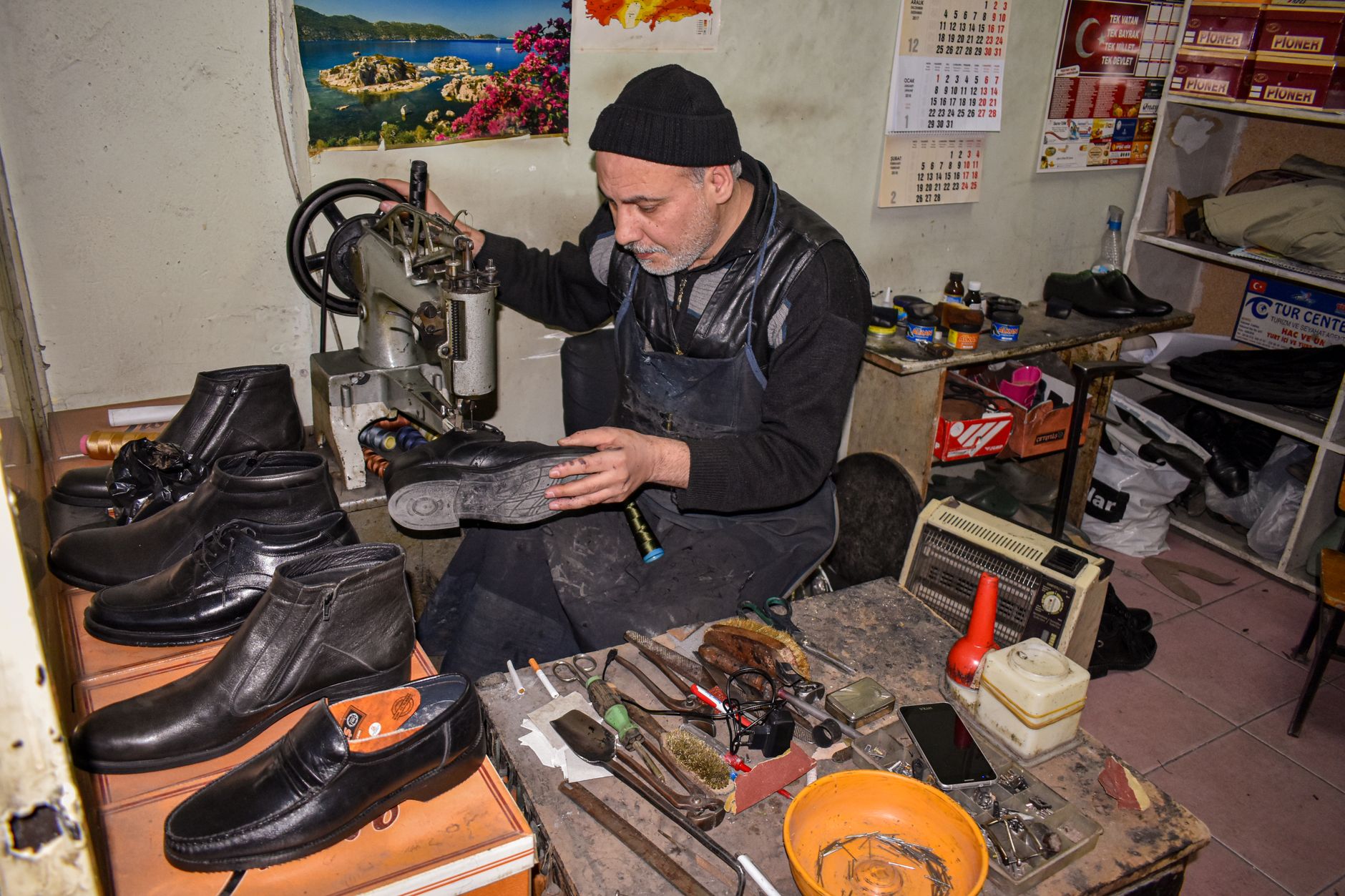
You shouldn't take a leather jacket to a general tailor — one wrong needle leaves permanent holes, and a standard presser foot can scuff the surface beyond repair. Local leather specialists use walking-foot machines, waxed nylon thread, and dye-matching tested against your jacket's exact finish. They spot hidden cracks and lining damage in person that photos miss. Common repairs run $30–$150, and there's a lot more to know before handing your jacket over.
The Hot Stuff
- Local leather specialists assess thickness, flexibility, and hidden damage in person, ensuring accurate repair techniques that photos or remote evaluations cannot capture.
- Generalist tailors risk permanently damaging jackets worth $200–$2,000 using wrong needles, incorrect thread, or standard presser feet that scuff leather.
- Specialists use heavy-duty walking-foot machines, waxed nylon thread, and leather needles unavailable to general tailors handling everyday fabrics.
- Skilled local repairs cost $30–$150 and can extend your jacket's life by 5–10 years, offering strong value.
- Local referrals, leather store recommendations, and online reviews help identify trusted specialists with proven experience repairing leather jackets.
Leather Jacket Repairs Aren't a Job for Just Anyone
Leather jacket repairs aren't something you should hand off to a general tailor or dry cleaner. These professionals lack the tailor expertise needed to handle leather correctly. Leather behaves differently than fabric — it doesn't forgive poor cuts, wrong thread, or excess heat. One mistake can split a seam permanently or leave a visible scar on the surface.
You need someone who specializes in leather care and works with it daily. Look for a local tailor who lists leather goods as a core service, not an occasional add-on. Ask directly how many leather jackets they've repaired in the past six months. A confident answer of 10 or more is a good sign.
Your jacket represents your style and your community's standard for quality. Don't risk it with someone who's guessing. Find a specialist, ask the right questions, and protect what you've invested in.
The Real Risks of Taking Your Jacket to a Generalist Tailor
When you hand your leather jacket to a generalist tailor, you're taking on real risk that can permanently damage a piece worth $200 to $2,000 or more. Generalist limitations show up fast with leather because it doesn't behave like cotton, denim, or wool. A wrong needle leaves permanent holes. A standard presser foot drags and scuffs the surface. These mistakes can't be undone.
Expertise importance becomes clear when you see the results. A generalist tailor typically works with woven fabrics, not hides that vary in thickness, tanning method, and finish. One wrong stitch on a $500 biker jacket means you're buying a new one. Real leather communities, from motorcycle clubs to vintage collectors, share these stories often.
Don't hand your jacket to someone who learned on fabric bolts. Find a leather specialist with verifiable experience, customer reviews, and finished examples you can actually examine before committing.
Why Leather Requires Specialist Equipment, Thread, and Dye-Matching
When you take a leather jacket to a specialist, you're paying for tools that a regular tailor simply won't have, including heavy-duty walking-foot machines that can handle leather's density without skipping stitches or leaving needle holes. Thread matters just as much, since leather repairs require waxed nylon or polyester thread rated for high tension, not the standard cotton thread a generalist keeps on hand. Dye-matching is the trickiest part, because a specialist will test color against your jacket's exact finish, accounting for age, fading, and surface coating before applying any product to avoid a patch that stands out from 10 feet away.
Specialized Tools Matter Most
Repairing leather correctly depends heavily on having the right tools, and most general tailors simply don't stock them. Leather needles have a wedge-shaped tip, industrial sewing machines apply 20 to 30 pounds of pressure per stitch, and specialized clamps hold material flat without leaving marks. You belong in a repair community that values precision, and a leather specialist gives you exactly that. They invest in specialty materials like waxed nylon thread, edge bevelers, and burnishing wheels, all built for tool longevity across hundreds of jobs. A standard domestic machine tears leather fibers within three stitches. Specialist shops in most mid-sized cities carry skiving knives, leather punches, and contact cement formulated specifically for animal hide. Using the right tools protects your jacket and extends its life by years.
Thread Strength and Compatibility
Thread choice makes or breaks a leather repair, and it's not something a general tailor gets right by default. Leather requires waxed polyester or nylon thread, not cotton. Cotton breaks down within 12 to 18 months under leather's natural oils and movement stress. Thread durability depends on both material and weight, typically 69 or 92 gauge for jacket seams.
Your local leather specialist also knows which stitching techniques work for your jacket's specific seam type. Saddle stitching, for example, holds better than lockstitching on stress points like shoulders and cuffs. A standard tailor won't make that distinction. Wrong thread or technique means your seam fails again, often faster than the first time. Get it done right once by someone who works with leather regularly.
Precise Dye Color Matching
Color matching on leather isn't something a standard tailor can eyeball and get right. Leather's surface absorbs dye differently than fabric, and even a slight mismatch shows under natural light. Local tailors who specialize in leather use professional dye techniques, including layered application and pH-balanced prep solutions, to guarantee accurate results. They'll test the dye on a hidden panel first, usually inside the hem or under a lapel, before committing to the full repair area. This protects your jacket's color retention over time, preventing patchy fading within 6 to 12 months. You're part of a community that takes care of quality pieces, and a specialist respects that. Don't let a rushed dye job ruin a jacket you've worn for years.
What Local Leather Specialists Assess That Remote Services Can't
When you bring your leather jacket to a local specialist, they can assess things that no remote service ever could. They'll feel the leather's thickness, test its flexibility, and check for hidden cracks beneath the surface. Remote services rely on your photos, your descriptions, and your guesses. Local expertise removes that guesswork entirely.
A specialist can spot lining damage, weakened stitching, and structural issues in under 10 minutes. They'll press seams, bend panels, and identify stress points that a camera simply won't capture. That personalized service means your jacket gets a full evaluation, not just a surface-level quote based on two uploaded images.
You're part of a community that values craftsmanship and wants repairs done right the first time. Local tailors share that value. They give your jacket the hands-on attention it deserves, catching problems early before a small crack becomes a 4-inch split.
What an In-Person Leather Repair Assessment Actually Reveals
An in-person assessment reveals details that photos simply can't communicate. When you bring your jacket to a local tailor, they'll examine the leather texture directly, checking for dryness, cracking, or thinning that a smartphone camera flattens into invisibility. They'll flex the leather, press along the seams, and identify weak spots within minutes.
This hands-on review also determines which repair techniques actually fit your jacket's condition. A tailor can match thread weight, lining material, and dye tone on the spot. They'll measure zipper length exactly, assess panel thickness, and confirm whether a patch repair or full panel replacement makes more sense.
You're part of a community that values craftsmanship done right the first time. Local tailors share that same standard. They'll give you a realistic timeline, often 3 to 7 days, and a written estimate before touching anything. That transparency protects your jacket and your investment.
When Is a Leather Jacket Worth Repairing?
Before you hand your jacket to a local tailor, you need to decide if it's actually worth the repair cost. A jacket with strong sentimental value, like one passed down from a family member or tied to a major life event, can justify repair costs that exceed $150 or even $200. Damage types like small tears under 3 inches, worn seams, broken zippers, and scuffed patches are all repairable, but widespread cracking across the body panels or dry rot in the leather typically means replacement is the smarter financial choice.
Assessing Jacket Sentimental Value
How much a leather jacket means to you personally is often the deciding factor in whether it's worth repairing. Your sentimental attachment to a jacket shapes its real value. A jacket tied to personal history — a gift, a milestone, a shared experience — carries weight that price tags can't measure.
| Jacket Origin | Sentimental Level | Repair Priority |
|---|---|---|
| Family heirloom | Very High | Immediate |
| Milestone gift | High | Strong |
| Personal purchase | Moderate | Situational |
| Work uniform | Low | Cost-based |
| Forgotten impulse buy | Very Low | Optional |
Use this table to place your jacket honestly. If it ranks moderate or higher, pursuing local tailor repairs makes clear sense. Don't let avoidable damage erase something you genuinely connect with.
Evaluating Repair Cost Versus Replacement
Once you know how much a jacket means to you, the next step is running a straightforward cost comparison. Most quality leather jackets cost $200–$800 new, so repair cost effectiveness matters.
Consider these four factors:
- Repair quotes — Local tailors typically charge $30–$150 for common fixes like seams, zippers, or small tears.
- Repair longevity — A skilled tailor's work can extend your jacket's life by 5–10 years.
- Replacement cost — Compare the repair quote directly against buying a comparable new jacket.
- Condition threshold — If repairs exceed 50% of replacement cost, replacement usually wins.
You're part of a community that values smart decisions. Don't spend $400 repairing a $300 jacket. Run the numbers first, then commit confidently.
Identifying Repairable Damage Types
Not all leather jacket damage is equal, and knowing what's repairable can save you from tossing a jacket that's actually worth fixing. Small tears under 3 inches, worn seams, and broken zippers are all repairable by a skilled local tailor. Scuffs, fading, and minor cracking respond well to conditioning and dye treatments. Your tailor will assess your jacket's leather types, since full-grain and top-grain leather hold repairs better than bonded leather. Loose or frayed seams are fixed using reinforced stitching techniques that restore structural strength. Lining tears, detached pockets, and missing buttons are straightforward repairs. Avoid assuming large punctures or severe peeling are hopeless, because many experienced tailors have successfully restored jackets with significant damage. Knowing the damage type helps you make a smarter, more informed repair decision.
Common Leather Jacket Repairs and What They Actually Cost
Before you bring your jacket to a tailor, it helps to know what common repairs typically cost so you're not caught off guard. Leather jacket maintenance affects repair frequency, so jackets worn daily need attention every 6 to 12 months.
- Zipper replacement – Expect to pay $20 to $60 depending on zipper length and hardware quality.
- Lining replacement – Full lining runs $50 to $150 based on fabric choice and jacket size.
- Seam repair – Small seam fixes cost $15 to $40, with reinforced stitching on stress points adding $10 more.
- Patch and panel work – Matching leather patches run $30 to $80 per damaged area.
Your local tailor community understands these repairs deeply. Knowing these figures before your appointment helps you budget confidently, ask the right questions, and feel like someone who truly belongs in their jacket.
Questions to Ask Before You Hand Over Your Jacket
Before you hand over your jacket, ask the tailor directly how many leather garments they've repaired in the past year, because a shop that handles mostly wool suits or denim may not have the right tools or thread for a leather repair. You'll also want to confirm the exact turnaround time, since a straightforward zipper replacement should take no more than 3 to 5 days, while a full lining swap or seam reconstruction can run 1 to 2 weeks. Get the timeline and price in writing before you leave, because a verbal agreement is easy to dispute if the finished job doesn't match what you discussed.
Ask About Leather Experience
How much experience a tailor has with leather matters more than their general sewing skills. Leather care requires specific knowledge, and tailoring techniques used on fabric don't always translate. Ask direct questions before you commit.
- Ask how many leather garments they've repaired in the past year.
- Ask if they've worked with your jacket's specific leather type, such as lambskin or cowhide.
- Ask which tools and thread weights they use for leather seams.
- Ask to see two or three past examples of leather repair work.
You're part of a community that values quality craftsmanship. Finding a tailor with proven leather experience protects that investment. A tailor who hesitates at these questions probably isn't your best option.
Clarify Repair Timelines
Timelines can make or break a repair experience, so you'll want clear answers before you leave your jacket behind. Ask your tailor for a specific repair duration, not a vague estimate. A straightforward stitch fix might take 2 to 3 days, while a full lining replacement could take 1 to 2 weeks. Knowing this upfront helps you plan, especially if you wear your jacket regularly. Set your communication expectations early by asking how the tailor contacts customers when the job is done, whether that's a phone call, text, or in-person pickup. Shops like small neighborhood tailors often prefer phone calls, so confirm your preferred method. Write the agreed timeline down, keep your receipt, and follow up if you haven't heard back by the promised date.
How to Track Down a Trusted Leather Repair Specialist Locally
Finding a trusted leather repair specialist in your area isn't difficult if you know where to look. Your community's already got the answers you need.
- Ask for local referrals from friends, family, or coworkers who've had leather repaired within the last 12 months.
- Check online reviews on Google or Yelp, filtering for specialists with at least 4.5 stars and 20+ reviews.
- Visit leather goods stores nearby, since staff regularly recommend repair specialists they trust and work alongside.
- Contact local tailor shops directly, as many offer leather repair or can point you toward someone who does.
Once you've got 2 or 3 names, compare turnaround times, pricing, and material guarantees before committing. Don't skip the step of viewing past repair photos in person or online. Choosing carefully now saves you from costly mistakes later.
Why AlterationsFinder.com Is the Fastest Way to Find the Right Specialist
While local referrals and Google searches work, they take time you might not have. AlterationsFinder.com cuts that search down considerably. You enter your zip code, select "leather repair," and the site returns verified specialists near you within seconds.
The platform focuses on local expertise, so you're not scrolling through general tailors who've never touched a leather jacket. Each listing includes customer reviews, specialties, and contact details. You can compare two or three shops side by side before making a single call.
This matters when you want tailored solutions that fit your specific jacket, whether it needs zipper replacement, lining work, or seam repair. AlterationsFinder.com connects you to people who do this work regularly, not occasionally.
Create a free account, save your preferred specialists, and book consultations directly through the site. You'll spend less time searching and more time getting your jacket fixed by someone who genuinely knows the craft.
Maintaining Leather Between Repairs
Between professional repairs, keep your leather jacket in good condition with a quality leather conditioner. Applied every few months, it prevents the cracking and drying that makes minor damage escalate into expensive professional repair jobs. A conditioned jacket is also easier for a specialist to work with — dry, cracked leather is more likely to split further during a repair.
Frequently Asked Questions
Can Leather Jackets Be Repaired if They Have Sentimental Value Only?
Yes, you can repair a leather jacket even if it's got sentimental attachment and no monetary value. Your local tailor offers repair options like patching tears, re-stitching seams, and replacing zippers, typically costing $20–$150. Don't let age or condition stop you from asking—most tailors handle jackets 10–30 years old. Bring it in, describe the damage clearly, and get a quote before committing to any work.
How Long Does a Typical Leather Jacket Repair Usually Take?
Like a clock's gears turning at different speeds, repair techniques and turnaround times vary. You're looking at 3–7 days for minor fixes like stitching or zipper replacement. Larger repairs, such as panel patching, can take 1–2 weeks. Your local tailor sets the pace, so ask upfront about their schedule. Busy shops in urban areas may run longer. Always confirm a pickup date before you leave your jacket.
Will Repairs Affect My Leather Jacket's Resale or Collector Value?
Repairs can affect your jacket's resale value, but proper repair techniques minimize that impact. If you're part of a collector community, you'll want documentation of every fix, including the tailor's name, date, and materials used. Value preservation depends on matching original thread, dye, and leather type within 95% accuracy. Poor repairs drop value by 20–40%, while skilled, documented work often keeps value stable or improves wearability enough to justify the cost.
Can a Tailor Repair Both Genuine and Faux Leather Jackets?
Yes, a skilled tailor can handle both. You've found the one professional who can tackle virtually any leather jacket you own. For genuine leather techniques, they'll use specialized needles, waxed thread, and edge paint to restore structure. For faux leather considerations, they'll avoid heat-based tools that cause cracking and use flexible adhesives instead. Always confirm your tailor has experience with both materials before scheduling, since mistakes on faux leather are nearly impossible to reverse.
Should I Clean My Jacket Before Taking It for Repair Assessment?
Yes, you should clean your jacket before your repair assessment. Use leather care tips suited to your jacket's material — a damp cloth works for faux leather, while a leather-specific cleaner works better for genuine leather. Avoid soaking the jacket or using harsh chemicals. Good jacket cleaning methods let your tailor clearly see damage, stitching issues, and wear patterns. A clean jacket helps you get an accurate repair quote, saving time for everyone involved.